Hey there! The 139th Canton Fair is coming up, and honestly, it’s a pretty exciting chance for businesses to check out some of the latest innovations. One thing that really catches the eye is the Yulong Pellet Machine. It’s a standout in the world of advanced manufacturing. The event runs from April 15 to May 5, 2026, and features a bunch of themes—from machinery and new materials to other cool innovations.
For folks who do sourcing, there’s some good news too! The fair’s introduced AI-powered tools that actually make your life a lot easier. The AI search feature helps you quickly find suppliers with specific certifications like ISO or CE—great for saving time and avoiding endless scrolling. Plus, the smart navigation systems mean you can easily make your way around the huge 155,000 square meter exhibition space without feeling lost.
Now, about the Yulong Pellet Machine—sure, it’s pretty impressive and packed with features. But when it comes to sourcing, you’ve gotta pay attention to details. Understanding exactly what the product specs are is super important. Also, checking out different suppliers can really pay off—they might offer different prices, services, or lead times. The fair is a fantastic place to connect, compare, and get a feel for the options, but it can also be a bit overwhelming if you're not prepared. Keeping these things in mind will definitely help you get the most out of your time there.

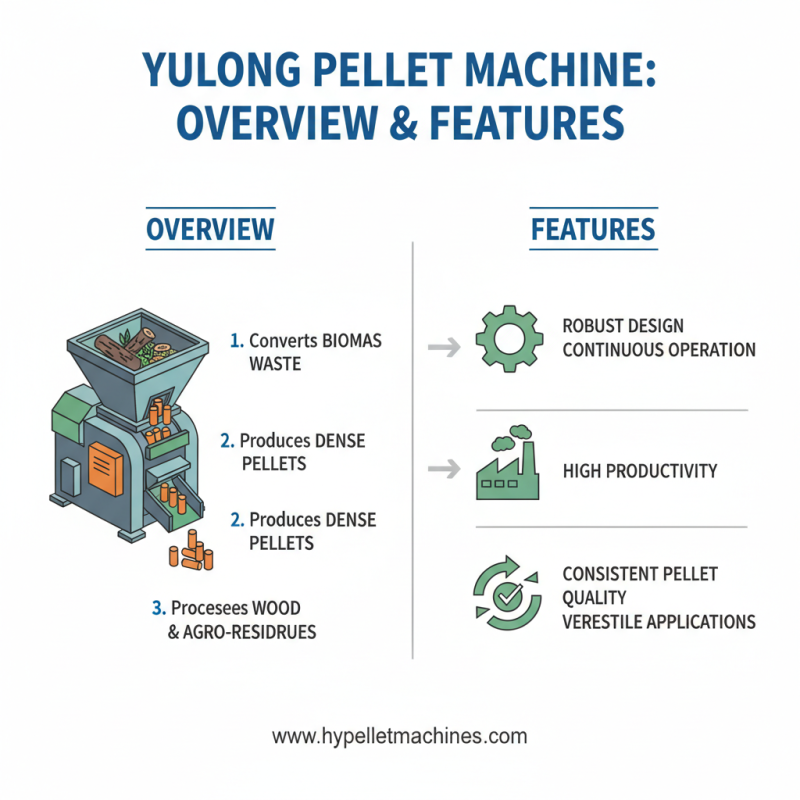
The Yulong Wood Pellet Machine stands out in pellet production technology. This machine efficiently converts biomass waste into dense pellets. It is particularly suitable for processing wood and agricultural residues. Its robust design allows for continuous operation, ensuring high productivity. Users can expect consistent pellet quality, which is key for various applications.
The machine features a unique die and roller system. This design enhances compression and improves the pellet's density. Additionally, it operates quietly, reducing noise pollution in industrial settings. Users often praise its low energy consumption, making it an eco-friendly choice. The ease of maintenance is noteworthy. However, some may find the initial setup challenging.
While the machine delivers impressive results, there are areas for improvement. For instance, the learning curve for new operators can be steep. Training is essential for optimal use. Feedback from users indicates some inefficiencies in troubleshooting. Addressing these issues could enhance overall performance. Ultimately, the Yulong Wood Pellet Machine holds great potential for those looking to sustainably produce pellets.
The 139th Canton Fair serves as a vital hub for machinery sourcing. It attracts global manufacturers and suppliers. Attending this fair is essential for professionals in the industry. They can explore a wide range of machinery options. The scale of the event is impressive, showcasing innovations and traditional methods alike. This diversity helps businesses to identify what best fits their needs.
Navigating the fair can be overwhelming. Many exhibitors present their machines with intricate details. Professionals must be prepared to ask the right questions. Understanding features and differences is crucial. It’s easy to get lost in the sea of information. Taking notes can help, but sometimes the details blur together. Reflection on the interactions can lead to valuable insights later.
Building connections is another key aspect. Networking with potential suppliers can open doors for future deals. Yet, it’s important to approach each connection with care. Not every partnership will be ideal. Evaluating the quality and reliability of these suppliers is essential. It's a learning curve that requires patience and discernment. Each encounter provides an opportunity for growth and better decision-making.
The pellet production market is booming. Understanding the demand is crucial for success. Many industries turn to pellets for various applications. They are used in energy, animal feed, and more. This growing interest generates numerous opportunities. However, challenges exist.
The need for quality machinery is evident. A Flat And Ring Wood Pellet Mill is essential. It ensures a consistent production process. Sawdust can be efficiently converted into premium pellets. Buyers should research equipment specifications. Cost-effectiveness, efficiency, and maintenance are points to ponder.
Sourcing is not straightforward. Many vendors promise great products. Yet, not all deliver quality. Attending trade shows like the Canton Fair provides insights. Connecting with reliable suppliers helps. It’s important to ask questions. What do other clients say? Reviews and feedback can reveal much. Always consider learning from past mistakes. Adaptation is key in this dynamic market.
| Category | Current Demand (2023) | Projected Demand (2024) | Growth Rate (%) | Key Market Trends |
|---|---|---|---|---|
| Food Pellets | 1.2 million tons | 1.5 million tons | 25% | Increase in pet ownership, healthy eating trends |
| Wood Pellets | 3 million tons | 4.2 million tons | 40% | Sustainable energy demand, regulatory support |
| Agricultural Pellets | 950,000 tons | 1.1 million tons | 15% | Cost-effectiveness in animal feed, rising livestock production |
| Cohesive Pellets | 600,000 tons | 800,000 tons | 33% | Technological advancements, increase in industrial applications |
Sourcing equipment like a Wood Pellet Machine requires a strategic approach. The market is evolving quickly. Reports indicate a growth rate of 7.2% in the biomass pellet market from 2020 to 2027. This presents both opportunities and challenges. Navigating this landscape demands clarity in goals.
Understanding the specifications of the wood pellet machine is crucial. Look for energy consumption data and production capacity. Some machines may not meet your efficiency expectations. Inadequate machinery can lead to lower output and higher operational costs. Consulting technical reports can help in making informed decisions. Solid technical support and warranty information are also important.
Networking at trade fairs enhances sourcing outcomes. Engaging with manufacturers allows for direct feedback. Questions about production methods and materials are vital. However, personal biases may cloud judgment. Relying solely on brochures can mislead potential buyers. The best deals balance quality and cost, often found after thorough research and comparison. Taking these steps ensures a more professional approach to sourcing.
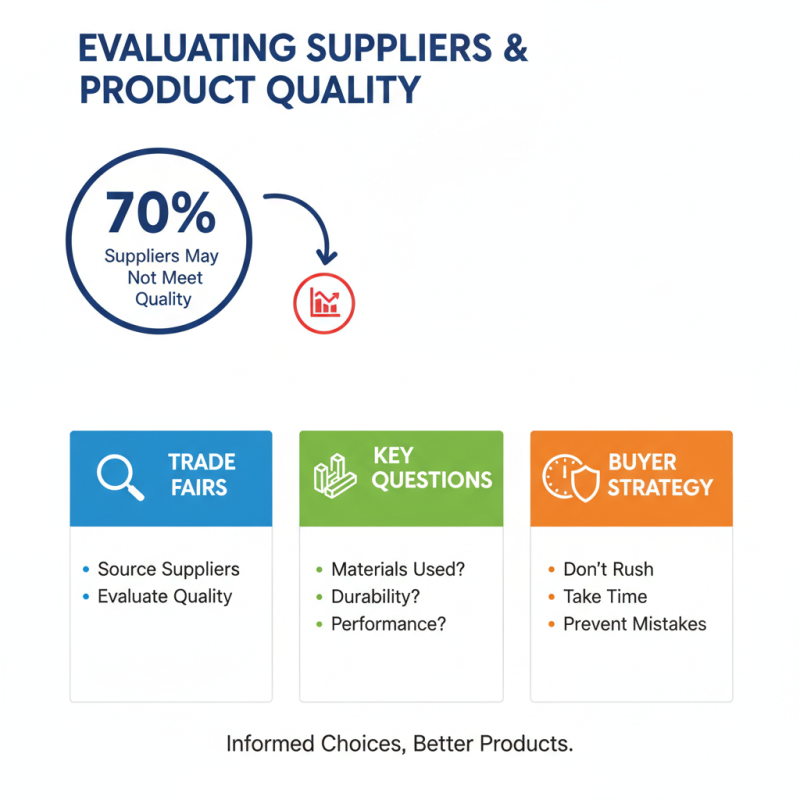
When sourcing suppliers at trade fairs, evaluating product quality is crucial. Reports indicate that about 70% of suppliers may not meet the expected quality standards. Buyers should ask about the materials used. This helps ensure durability and performance. There is no need to rush into agreements. Taking time can prevent costly mistakes later.
Checking product certifications is another essential step. Suppliers with ISO 9001 or equivalent certifications are often more reliable. A comparative analysis of product samples can also reveal inconsistencies. Remember that the appearance of a product doesn't always indicate quality. It's vital to conduct thorough inspections before making commitments.
Communication with suppliers can be misleading. Clear, open discussions about quality expectations can help. However, some suppliers may provide vague answers. This can create trust issues. Establishing a relationship based on transparency is key. Ultimately, go for long-term partnerships rather than quick deals. This could lead to better quality over time.
Negotiating terms and conditions for a purchase can be challenging. Buyers should be clear about their needs. Establishing a budget is essential before engaging with suppliers. A well-defined budget prevents overspending and keeps negotiations focused.
When discussing terms, remember to clarify delivery timelines and payment methods. Delivery delays can disrupt business operations. Ensure that the payment terms align with your cash flow. Often, suppliers have various payment options, including deposits or installments. Be willing to ask questions and raise concerns. Transparency on both sides builds trust.
Sometimes, the initial offer may not meet expectations. Don't hesitate to counter with your own proposal. Understanding market standards can strengthen your position. However, be aware of the supplier's constraints. Striking a balance requires patience and flexibility. Every negotiation is a learning experience. Reflect on what worked and what didn’t for future dealings.
When attending trade shows like the Canton Fair, sourcing a Flat Die Pellet Machine requires careful logistics planning. Consider how to transport your machine from the venue to your location. Evaluate shipping options based on cost and speed. Will you use air freight or sea freight? Each has its pros and cons. Air freight is fast but expensive. Sea freight is cheaper but slower. Make sure to compare quotes.
After purchase, think about installation and maintenance. Who will set up the machine? Have a technician ready or plan to visit the supplier for training. It’s easy to overlook these details. An overlooked installation could lead to future breakdowns. Spare parts are also essential. They might not be included in the initial purchase. Research suppliers in advance to ensure you can get what you need without long delays.
Lastly, consider post-purchase support. Not every supplier offers good after-sales service. Reach out to potential partners and ask about their support policies. How quickly can they provide help? Don’t wait until a problem happens. Defining communication channels early saves time. Be proactive. These considerations turn a simple purchase into a successful investment.
This chart displays the logistics performance metrics relevant for sourcing pellet machines at trade fairs, illustrating lead times, shipping costs, and customer satisfaction rates.
: The Canton Fair is a key event for machinery sourcing. It showcases diverse machinery options from global suppliers.
Professionals should ask the right questions. Taking notes and reflecting on details can lead to better insights.
Building connections with suppliers can offer future business opportunities. However, not all partnerships will be beneficial.
Buyers need clarity on their requirements. Establishing a budget helps focus negotiations and prevents overspending.
It is crucial to clarify delivery timelines with suppliers. Delays can disrupt operations significantly.
Buyers should explore various payment options. Transparency regarding cash flow is key to effective negotiations.
Buyers should counter with their own proposals. Understanding market standards can enhance negotiation strength.
Assessing the quality of suppliers is essential. Learning from each experience aids in better decision-making.
Negotiations can be complex; patience and flexibility are needed. Each experience is a valuable opportunity for reflection.
Not every connection will be ideal. Discerning which suppliers to engage with is a vital learning process.
The article discusses the significance of the Yulong Pellet Machine showcased at the 139th Canton Fair, highlighting its features and the importance of this event in the machinery sourcing landscape. The Canton Fair serves as a key platform for manufacturers and buyers to connect, offering insights into current market demands for pellet production.
Additionally, the article outlines systematic steps for professional sourcing of equipment, emphasizing the need to evaluate suppliers, assess product quality, and negotiate favorable terms and conditions. It also addresses logistics and post-purchase considerations that are crucial for ensuring a smooth acquisition process. By focusing on these elements, potential buyers can make informed decisions when sourcing the Yulong Pellet Machine and other relevant machinery.