When you're trying to get the most out of your landscaping or forestry work, handling your chipper machine the right way really matters. Moving it around properly can make a big difference in how smoothly things go, how productive everyone is, and most importantly, keeping your team safe. Knowing the best ways to move this heavy piece of equipment isn’t just about convenience — it’s about making sure it stays in good shape and everyone stays out of harm's way.
In this guide, I’ll walk you through some key tips and tricks for safely relocating your chipper. Whether you're hauling it across the job site or loading it onto a truck, having a solid plan can help everything go much smoother — saving you time and headaches. Stick to these simple guidelines, and you'll find that transitioning your equipment becomes much easier, all while keeping everything running efficiently and safely for everyone involved.
Choosing the Right Equipment for Chipper Transportation
When it comes to transporting a chipper machine, choosing the right equipment is essential for ensuring efficiency and safety. According to industry studies, proper equipment selection can reduce transportation costs by up to 20%, significantly enhancing overall operational productivity. Equipment such as heavy-duty trailers and ramps designed specifically for Chipper Machines can facilitate safer loading and unloading and minimize the risk of accidents or damage during transport.
Additionally, utilizing a hydraulic lift system can greatly improve maneuverability and stability when moving heavy machinery like chippers. Research indicates that companies using hydraulic lifts report a 30% decrease in workplace injuries associated with equipment handling. This underscores the importance of selecting not just any transportation solution, but one that adheres to best practices and safety standards in the industry. Overall, investing in the right transportation equipment not only ensures the safety of personnel but also preserves the integrity and functionality of the chipper machine during transit.
How to Safely Move Your Chipper Machine for Maximum Efficiency - Choosing the Right Equipment for Chipper Transportation
| Transport Equipment | Weight Capacity (lbs) | Dimensions (L x W x H in inches) | Assembled/Disassembled | Safety Features | Estimated Cost ($) |
| Heavy-Duty Trailer | 3500 | 120 x 60 x 30 | Assembled | Brakes, safety chains | 3500 |
| Forklift | 5000 | 80 x 42 x 80 | Assembled | Load backrest, safety belt | 25000 |
| Electric Hoist | 2000 | 30 x 30 x 20 | Disassembled | Limit switch, emergency stop | 500 |
| Pickup Truck | 2000 | 75 x 60 x 30 | Assembled | Tie-down hooks, bed liner | 30000 |
| Utility Dolly | 600 | 24 x 18 x 48 | Disassembled | Rubber wheels, foldable | 150 |
Preparing Your Chipper Machine for Safe Moving
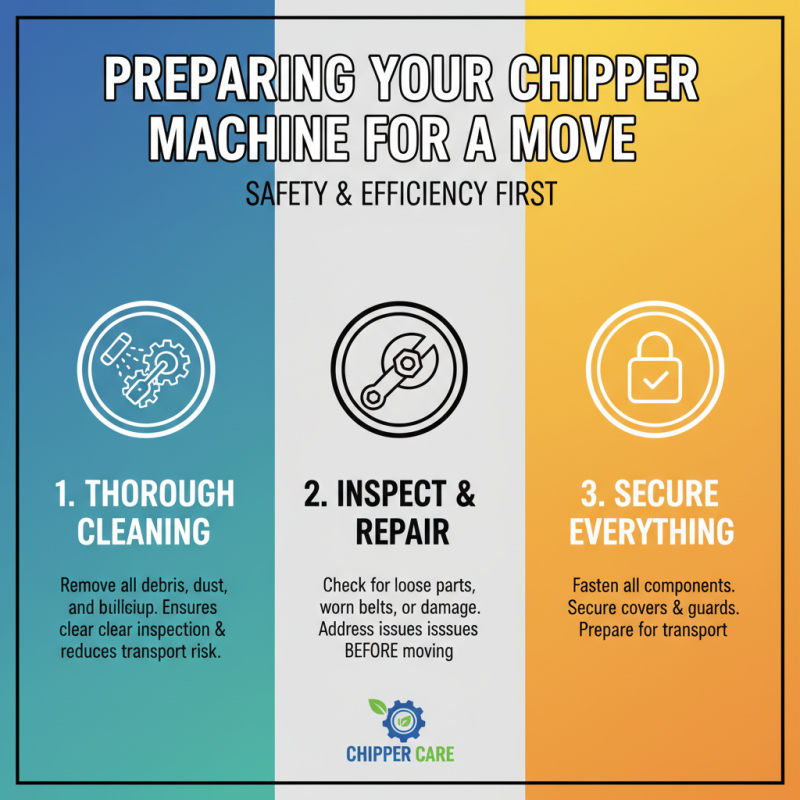
When preparing to move your chipper machine, safety and efficiency should always be your top priorities. Begin by thoroughly cleaning the machine to remove any debris or buildup that might affect its performance. This not only ensures you have a clear view of the machine’s condition but also reduces the risk of accidents during transport. Additionally, check for any loose parts or potential repairs needed; addressing these issues before moving can save time and hassle later on.
Tips: Always secure any movable parts with straps or locks to prevent them from shifting during transit. Use appropriate lifting equipment or vehicles that are rated for the weight of your chipper to avoid any injuries or accidents. If possible, consult the manufacturer's guidelines for specific moving instructions tailored to your machine model, ensuring you handle it correctly.
Before you begin the move, make sure to have all necessary tools at hand. This includes items like wrenches and safety gear. Inform your team about the moving process and assign roles so that everyone knows their responsibilities. A well-planned move not only protects the machine but also enhances safety for all individuals involved.
Essential Safety Gear for Handling Chipper Machines
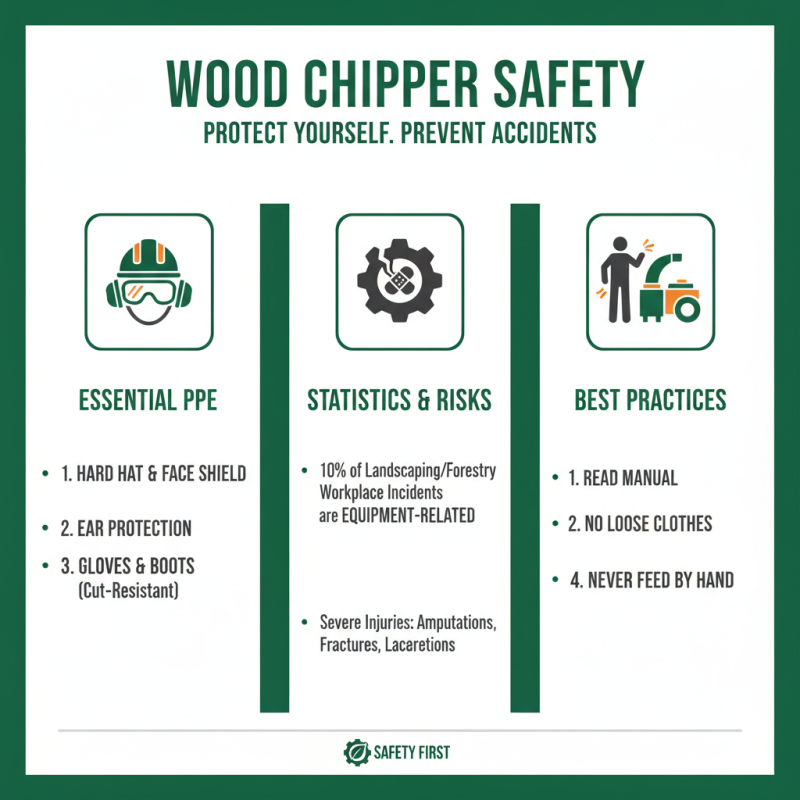
When handling chipper machines, protecting yourself with the right safety gear is essential for ensuring maximum efficiency and minimizing the risk of accidents. According to the Bureau of Labor Statistics, equipment-related injuries account for nearly 10% of workplace incidents in the landscaping and forestry sectors. To mitigate these risks, it is crucial to equip yourself with proper protective equipment that adheres to industry standards.
Personal Protective Equipment (PPE) for operating chipper machines should include hard hats, eye protection, ear protection, gloves, and sturdy steel-toed boots. The Occupational Safety and Health Administration (OSHA) emphasizes the importance of wearing a hard hat when working in areas where falling objects pose a danger, as head injuries can lead to severe consequences. Additionally, safety glasses or goggles protect against flying debris, which is particularly pertinent when feeding branches into the chipper. Earplugs or earmuffs are also vital, as exposure to prolonged noise levels can lead to hearing loss, with studies indicating that about 22 million workers are exposed to hazardous noise levels each year.
Furthermore, it’s recommended to wear cut-resistant gloves that offer both dexterity and protection from sharp edges while handling materials. Selecting boots with slip-resistant soles is crucial, given that operators often work in varied outdoor terrains. A report from the National Institute for Occupational Safety and Health (NIOSH) has shown that properly utilized safety gear can reduce the overall injury rate by up to 30%. By prioritizing safety with essential gear, operators can enhance their efficiency while significantly lowering the potential for accidents in the field.
Step-by-Step Guide to Loading the Chipper onto a Vehicle
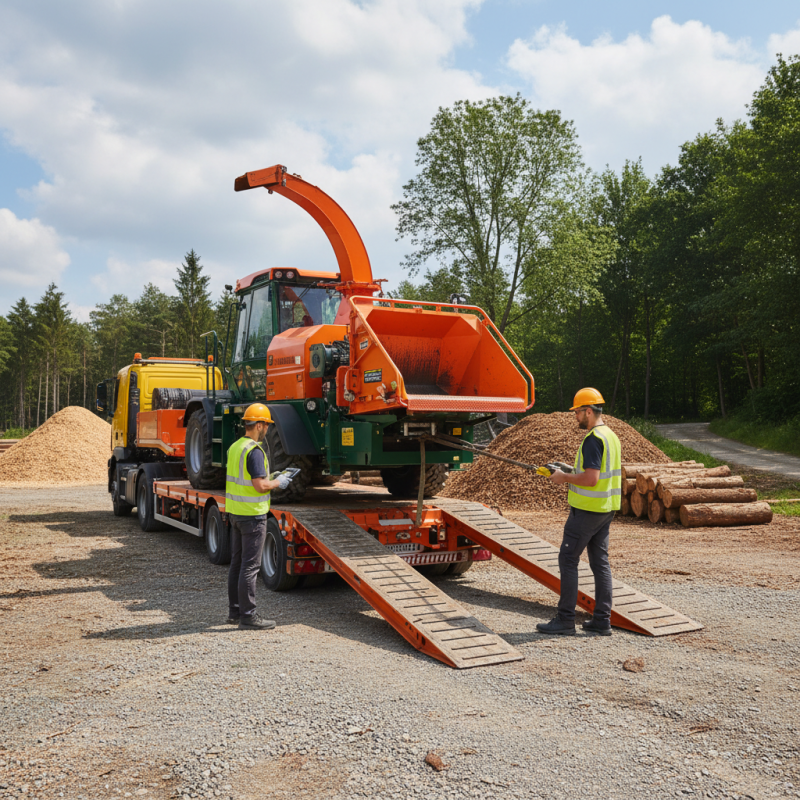
When it comes to loading a chipper machine onto a vehicle, ensuring both safety and efficiency is paramount. Start by preparing the surrounding area for the load. Clear any obstacles and ensure the ground is level to prevent any accidents during the loading process. Next, gather the necessary equipment, such as ramps, tie-down straps, and a loading dock or flatbed truck. Using ramps designed for heavy machinery is crucial as they provide a stable incline for the chipper to roll onto the vehicle.
Once the vehicle and equipment are ready, it's time to secure the chipper machine. Begin by turning off the chipper and allowing it to cool down if it has been in use. Using a dolly or lifting straps, carefully maneuver the chipper into position. If needed, get assistance to ensure that it is balanced correctly and won’t tip over. Once on the vehicle, use tie-down straps to secure the chipper in place, ensuring it cannot shift during transport.
Confirm that the straps are tight and check for any loose parts before hitting the road, ensuring that your equipment arrives at its destination safely and ready for efficient operation.
Best Practices for Securing the Chipper During Transit
When it comes to transporting chipper machines, ensuring their safety and stability is crucial for maintaining operational efficiency. According to industry reports, improper securing methods can lead to a staggering 30% increase in potential equipment damage during transit. Best practices for securing a chipper include using heavy-duty straps that can withstand significant stress, ensuring that the machine is fully secured at multiple points, and utilizing appropriate tie-down techniques that meet or exceed recommended standards.
Another essential consideration is the transportation environment. Chipper machines should be covered or enclosed during transit to protect them from environmental factors such as rain, dust, or debris, which can cause wear and tear. Additionally, utilizing trailers with anti-slip surfaces can further enhance safety, reducing the risk of movement during transportation. A study found that properly secured machinery can reduce the risk of accidents on the road by up to 40%, highlighting the importance of thorough preparation and adherence to transport guidelines. By implementing these best practices, operators can maximize efficiency and prolong the lifespan of their chipper machines.
Navigating Various Terrain with Your Chipper Machine
When navigating various terrains with your chipper machine, understanding the challenges posed by different surfaces is essential for maximizing efficiency. Whether you are moving across rugged landscapes, muddy fields, or rocky paths, taking the right approach ensures the machine operates smoothly and maintains its performance. Begin by assessing the terrain ahead and plan your route carefully. Look for stable ground and avoid steep inclines that could hinder movement or cause damage to the equipment.
Once on the move, utilize tools and techniques tailored to the specific terrain. For instance, in muddy conditions, wider tracks or mats can be used to distribute the weight of the chipper machine and prevent sinking. On rocky surfaces, slow and steady navigation will help maintain balance and protect both the machine and the environment. Additionally, keep an eye on the load during transit; uneven weight distribution can lead to tipping or instability. By adapting your approach to the terrain, you not only enhance the efficiency of your operations but also ensure the safety of your chipper machine throughout its journey.
Post-Move Inspection and Maintenance for Optimal Performance
After relocating your chipper machine, it's crucial to conduct a thorough post-move inspection and maintenance to ensure optimal performance. According to the Equipment Leasing and Finance Foundation, 70% of maintenance issues stem from improper handling and transportation methods. Therefore, inspecting the chipper for any signs of wear and tear, or damage incurred during the move, is essential. Check critical components such as the blades, engine, and belts. A detailed assessment can prevent minor issues from escalating into significant operational setbacks.
Moreover, regular maintenance is critical in maximizing the lifespan and efficiency of your chipper. Industry reports suggest that machines serviced regularly can operate at an efficiency rate of up to 95%. This includes not only addressing any damage but also performing routine tasks like oil changes, filter replacements, and sharpening blades. Implementing a maintenance schedule based on the manufacturer's recommendations and usage patterns can drastically reduce the risk of unexpected breakdowns and ensure that your equipment remains in optimal working condition. By prioritizing post-move inspections and maintenance, users can significantly enhance the reliability and efficiency of their machinery.
Impact of Proper Maintenance on Chipper Machine Efficiency
Maximize Efficiency and Sustainability with the Comprehensive Mobile Wood Chipper Machine for Modern Landscaping Needs
In modern landscaping, the demand for efficiency and sustainability is paramount. A comprehensive mobile wood chipper machine stands out as a vital tool that meets these contemporary needs. Designed to efficiently reduce wood waste into manageable chips, this equipment plays a crucial role in promoting sustainable practices within landscaping and gardening projects. Whether you are dealing with branches, limbs, or other wood debris, a Mobile Chipper streamlines the process, turning what would otherwise be waste into valuable mulch for landscaping or biomass fuel for energy.
The versatility of a mobile wood chipper enables it to be used across various sectors, including landscaping, farming, and forestry. Its mobility allows for easy transport to different job sites, making it an invaluable asset for professionals who require efficient wood processing on the go. By converting waste into usable material, these machines not only help in maintaining a clean work environment but also contribute to reducing the environmental footprint of landscaping operations. This dual focus on efficiency and sustainability ensures that you can tackle even the most challenging wood chipping tasks while supporting eco-friendly practices.
FAQS
: Before moving your chipper machine, assess the terrain ahead and plan your route carefully, looking for stable ground and avoiding steep inclines that could hinder movement or cause damage.
In muddy conditions, using wider tracks or mats can help distribute the weight of the chipper machine and prevent it from sinking.
When navigating rocky surfaces, move slowly and steadily to maintain balance and protect both the machine and the environment.
Monitoring the load is crucial because uneven weight distribution can lead to tipping or instability, posing risks to the machine and safety.
Conduct a thorough post-move inspection by checking for signs of wear and tear or damage, paying special attention to critical components like the blades, engine, and belts.
Regular maintenance can maximize the lifespan and efficiency of your chipper, with serviced machines operating at an efficiency rate of up to 95%.
Routine maintenance tasks should include oil changes, filter replacements, and sharpening blades, following the manufacturer's recommendations based on usage patterns.
Improper handling and transportation methods can lead to 70% of maintenance issues, highlighting the importance of careful movement of the equipment.
By performing a detailed assessment and addressing any damage immediately after moving, you can prevent minor issues from escalating into significant operational setbacks.
Prioritizing post-move inspections and maintenance enhances the reliability and efficiency of machinery, reducing the risk of unexpected breakdowns.
Conclusion
Moving a chipper machine requires careful planning and execution to ensure maximum efficiency and safety. First, it is crucial to select the right equipment for transportation, ensuring that the vehicle can handle the chipper's size and weight. Preparing the chipper machine for safe moving involves proper cleaning and securing all loose parts. Essential safety gear, such as gloves and protective eyewear, plays a vital role in preventing accidents during the transport process.
Once ready, a step-by-step guide to loading the chipper onto the vehicle should be followed, with attention to safely securing it during transit. Navigating various terrains with your moved chipper machine can present additional challenges, making it important to understand the vehicle's handling characteristics. Finally, performing a post-move inspection and maintenance check will help ensure the chipper operates optimally, contributing to efficient and effective tree care.