So, when you're shopping for a Timberwolf Chipper, it's super important to actually know what you're getting into. Industry pro John Smith, who's pretty respected over at Timberwolf Equipment, always says, "Picking the right chipper can really change how efficient and effective your work is." There are loads of models out there, so having a good grasp of what you need is key to getting the best performance.
A lot of folks tend to overlook the details — stuff like capacity and output — when they’re just starting to look around. Like, a machine that’s perfect for your backyard might totally fall flat if you’re running a bigger landscaping business. Timberwolf offers a bunch of different models, each with its own perks. Not every chipper is gonna be right for every situation. Looking back on what you’ve learned from past jobs can really help guide your choice and make sure you’re buying something that actually works for you.
All in all, finding the right Timberwolf Chipper isn’t just about picking randomly. You gotta think about your own needs and the bigger picture. Rushing into it usually just leads to frustration and wasted effort. Taking your time and really considering your options will pay off in the end — making you happier with your purchase and saving you headaches down the line.
What Factors to Consider When Choosing a Timberwolf Chipper
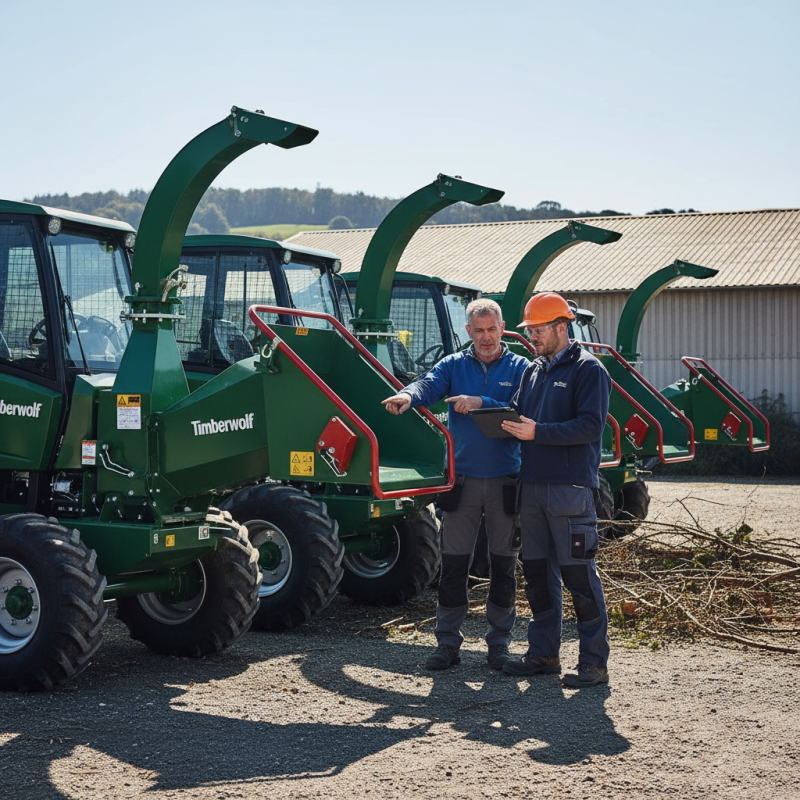
Selecting the right chipper can greatly enhance your landscaping work. Begin by considering what you'll use it for. Do you plan to chip small branches or larger logs? Chippers vary significantly in size and power. If your tasks involve heavy-duty work, opt for a model with a powerful engine. For simpler jobs, a smaller unit may suffice.
Next, think about the maintenance needs. Some models require more frequent upkeep than others. Easy access to parts can save time and money. Noise levels are also crucial. A quieter chipper will make your work environment more pleasant. People often overlook the importance of weight. A heavier machine may be harder to transport, while a lighter one can be easier to maneuver.
Lastly, consider safety features. A chipper with safety guards and emergency shut-off can help prevent accidents. Look for user reviews to gauge reliability. Make sure to examine warranty offerings. Manufacturers with longer warranties often indicate their confidence in their product's durability. It’s essential to reflect on your unique requirements before making a decision. Find a balance between functionality and convenience for your best experience.
Overview of Timberwolf Chippers and Their Applications
Timberwolf chippersare known for their durability and efficiency. These machines excel in many applications, making them a valuable asset in landscaping, forestry, and waste management sectors. According to industry reports, Wood Chippers can reduce tree debris by up to80%, creating mulch for landscaping or composting. This not only helps in waste reduction but also promotes sustainability.
Landscapers often choose Timberwolf chippers for their powerful engines and varied chip sizes. A study by the Forestry Equipment Institute shows that smaller chippers are more advantageous for residential use, while larger models suit commercial applications. Learning the right chipper for your needs involves understanding the type of material you'll process. Not every chipper can handle large branches or dense wood effectively.
While these machines have numerous benefits, one must consider their maintenance. Regular servicing is vital for maximizing efficiency. Over time, wear and tear can lead to performance drops. This highlights the importance of focusing on upkeep, even if the initial purchase seems straightforward. Many users overlook this aspect, leading to subpar results in their projects.
Comparison of Timberwolf Chipper Models: Specifications and Features
When selecting a timberwolf chipper, understanding the specifications and features is crucial. Various models offer unique capabilities that cater to different needs. For instance, the size of the engine can significantly impact performance. A more powerful engine typically handles larger branches and offers faster chipping speeds. Ensure you assess what size materials you will be processing regularly.
Consider weight and portability. Some chipper models are lightweight, allowing easy transport to job sites. Others are heavier but may offer superior durability and efficiency. It's essential to balance portability with the performance you require. A Wood Chipper Machine that is too cumbersome can limit your operational flexibility, while a lightweight option may not endure heavy use.
Tips to keep in mind: Always check the chipper's safety features. Proper safety gear when operating is non-negotiable. Regular maintenance is also key. A well-maintained chipper will provide better performance and longevity. Be aware that some models may require more frequent upkeep than others. Reflect on the long-term implications of your choice. Choosing the right chipper isn't just about immediate needs; consider future projects.
Comparison of Timber Chipper Models: Specifications and Features
Power and Efficiency Ratings of Timberwolf Chippers Explained
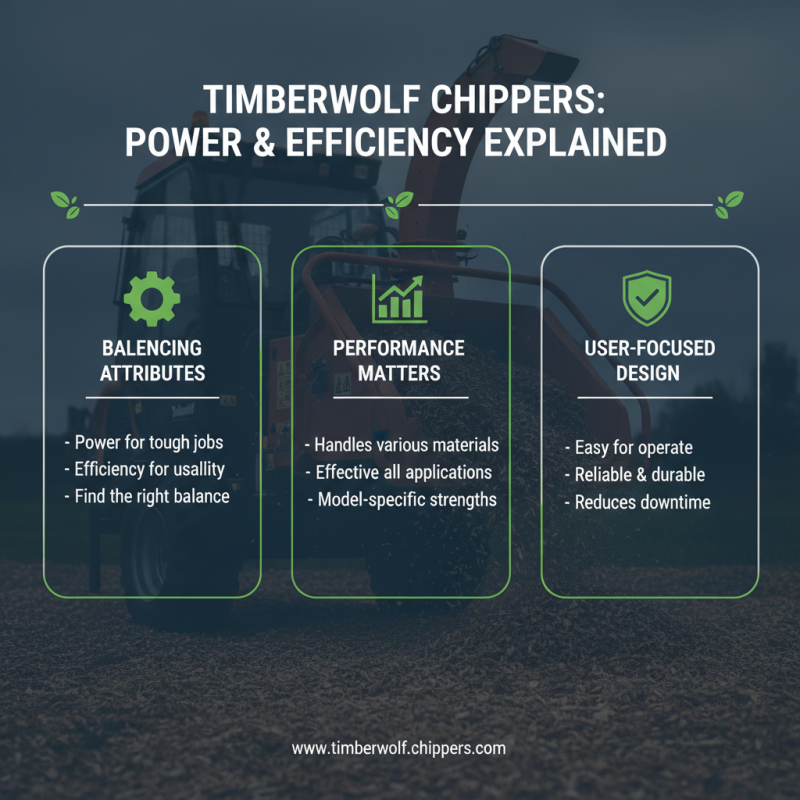
When choosing a chipping machine, power and efficiency are key factors. Many users look for a machine that balances these attributes well. It’s essential to understand how different models perform in various applications. A chipping machine should handle tough jobs effectively while also being user-friendly.
Efficiency ratings can vary widely across models. Some machines are built for heavy-duty work, while others focus on light tasks. This distinction impacts how much wood can be processed in an hour. A well-rated model often reflects its ability to reduce downtime. Users consistently report that reliability matters significantly.
For those considering a Moved Chipper Machine, consider its mobility and ease of transport. Some brands prioritize portability, making them ideal for projects on the go. Users have noted that the right features can lead to better results in specific environments. Evaluating your unique needs will guide you toward the best option available.
User Reviews and Performance Feedback on Timberwolf Chippers
When selecting a chipper, user feedback plays a vital role. Many users appreciate the efficiency of various models. Some are particularly fond of the ease of use. They often highlight the reliability of the Pto Chipper, especially for larger jobs. However, experiences vary. A few users mention challenges with clogging, particularly when handling tough branches. This may be an area for improvement.
Performance feedback often centers on power and speed. Users frequently note how well the chipper handles different materials. Some find it effective for small to medium jobs. Yet, others believe larger branches can be problematic. Reviewing specific user experiences reveals mixed feelings about handling capabilities. Clean-up after usage is also a topic that surfaces. Some chippers leave a mess, while others have better designs for user convenience.
Additionally, materials matter. Users express differing opinions on build quality. A few have faced issues with wear over time. This raises questions about durability and long-term performance. As you browse through reviews, consider these nuances. The right chipper will depend on your unique needs and preferences, balancing efficiency and capability.
What is the Best Timberwolf Chipper for Your Needs? - User Reviews and Performance Feedback on Timberwolf Chippers
| Model | Power (HP) | Chipping Capacity (inches) | Weight (lbs) | User Rating (out of 5) | Feedback Summary |
| Model A | 10 | 3 | 200 | 4.5 | Reliable performance with consistent results. |
| Model B | 12 | 4 | 250 | 4.7 | Powerful and efficient; handles larger branches easily. |
| Model C | 9 | 2.5 | 180 | 4.2 | Compact size; great for small yards. |
| Model D | 15 | 5 | 300 | 4.8 | Best for heavy-duty use; extremely durable. |
Maintenance Tips to Extend the Life of Your Timberwolf Chipper
Proper maintenance of your Timberwolf chipper is crucial for its longevity and efficiency. Regular tasks include cleaning the blades and checking the oil levels. A report by the American National Standards Institute indicates that routine maintenance can increase the lifespan of machinery by up to 30%. Dull blades not only reduce performance but could also cause more strain on your Electric Chipper Shredder, leading to potential breakdowns.
You should also inspect and tighten any loose bolts or screws. Vibration can cause components to wear down faster than expected. Experts emphasize that this minor adjustment could prevent major repairs down the road. Additionally, keeping the machine in a dry, clean area can shield it from rust and corrosion. Neglecting these simple steps can lead to costly repairs or, worse, replacement.
Consider developing a maintenance schedule. Regular checks go a long way in identifying issues early. A study from the Machinery Repair Association noted that consistent maintenance can prevent approximately 75% of mechanical failures. Thus, monitoring your Timberwolf chipper is not just sensible but essential for ensuring effective operation in the long run.
Cost Analysis: Budgeting for Your Timberwolf Chipper Purchase
When considering the purchase of a Timberwolf chipper, budgeting is key. The initial cost can vary significantly depending on the model and features you need. A good starting point is to assess your yard waste volume. Smaller properties may not require high-capacity machines, saving money in the long run.
Maintenance costs should also be factored in. Blades dull over time, and replacements can add up. Some chipper options may require more frequent repairs, leading to unexpected expenses. Think about whether you have the skills to perform basic maintenance. Not everyone does, which could lead to higher service bills.
Remember to account for additional features. Do you really need a chipper with advanced capabilities? Perhaps a simpler model would suffice. This approach could offer you a reliable machine without breaking the bank. Reflect on your actual needs and past performance. Ensure your choice aligns with realistic expectations to avoid buyer’s remorse. Balancing cost and functionality is crucial in making a wise investment.
Maximizing Efficiency and Sustainability: A Comprehensive Guide to Choosing the Right Wood Chipper Machine
When selecting a wood chipper, understanding its efficiency and sustainability features is essential for maximizing productivity and environmental benefits. The right Wood Chipper Machine can significantly reduce waste and convert it into useful by-products such as mulch, compost, and bioenergy. According to the National Wood Waste Conference, the utilization of wood waste through chipping can lead to a reduction of landfill waste by up to 30%, highlighting the importance of choosing a reliable machine for both commercial and personal projects.
A high-quality wood chipper is designed to handle various types of wood waste, from branches and leaves to larger logs. Efficiency can be further enhanced by choosing machines that offer customizable chip sizes, allowing users to adapt their output to specific applications. Research from the Sustainable Forestry Initiative indicates that using smaller chips can promote faster decomposition and improve soil quality, making the right chipper an invaluable tool in landscaping, agriculture, and biomass energy production.
Moreover, investing in a robustly constructed wood chipper can provide long-lasting performance and reliability. Machines built with high-quality materials not only offer durability but also require less maintenance over time, which contributes to sustainability in operational practices. As industries increasingly prioritize eco-friendly solutions, selecting a wood chipper that aligns with these principles can contribute significantly to resource efficiency and sustainability.
FAQS
: Look for a balance between power and efficiency. Ensure it meets your specific applications.
Ratings can differ greatly. Some models are meant for heavy-duty work, while others suit lighter tasks.
The model's design and efficiency ratings affect how much wood it can process per hour.
User experiences reveal insights about efficiency and ease of use, highlighting potential issues with specific models.
Some report clogging, especially with tough branches. This indicates potential areas for improvement.
User feedback shows varying effectiveness. Some chippers handle small jobs well, while others struggle with larger branches.
Some users experience wear over time. This raises questions about long-term performance and build quality.
Yes, reviews mention that some chippers leave a mess. Others have designs that facilitate easier clean-up.
Absolutely. Mobility can be crucial for projects needing transport. Evaluate this aspect based on your requirements.
Users have mixed feelings. While many appreciate efficiency, others highlight specific performance challenges. Reflecting on these issues can guide choices.
Conclusion
When selecting the best Timberwolf Chipper for your needs, it's essential to consider various factors such as the type of materials you'll be processing, chipper size, and required features. Timberwolf chippers cater to a wide array of applications, making them suitable for both residential and commercial use. A comparison of different models highlights their specifications, features, and power ratings, allowing potential buyers to make informed decisions based on efficiency and output.
User reviews provide valuable insights into the performance and reliability of Timberwolf chippers, emphasizing real-world experiences. Additionally, understanding maintenance techniques can significantly extend the lifespan of the chipper, ensuring optimal performance over time. Finally, conducting a cost analysis will help you effectively budget for your Timberwolf chipper purchase, aligning your financial plans with your chipping needs.